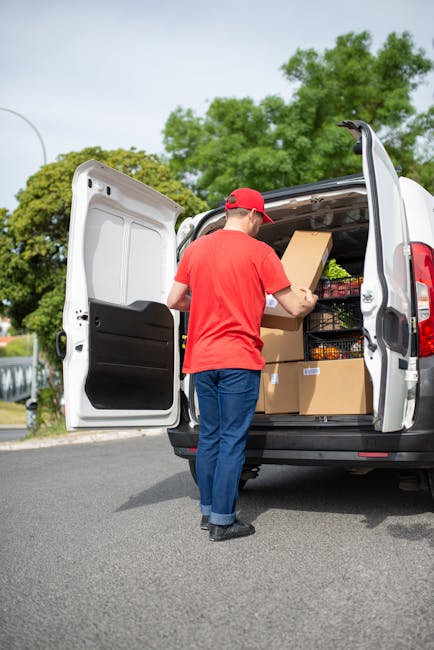
Man and Van Plumstead High Street specialist local moves: a practical local guide
If you are planning a move around Plumstead High Street, you probably want two things above all else: someone who knows the area, and a move that doesn't turn into a half-day headache. That is exactly where Man and Van Plumstead High Street specialist local moves come in. They are designed for the real-life jobs people actually need done nearby - flats, small houses, student moves, furniture pickups, quick deliveries, awkward staircases, and those "can you do it this afternoon?" situations.
Local moving sounds simple on paper. Box things up, load the van, drive a few streets, unload. Easy, right? Well, sometimes. But once you add narrow roads, parking pressure, heavy items, time windows, and the usual "where did we put the tape?" moment, a specialist local service starts to make a lot more sense. This guide breaks down how the service works, who it suits, what to expect, and how to get the most value from it without overcomplicating the process.
We'll also cover useful preparation steps, common mistakes, and a few practical tips that can save you stress on the day. If you want a broader look at the full range of help available, the services overview is a sensible place to start, and if you are ready to discuss a move, the contact page makes that very straightforward.
Table of Contents
- Why Man and Van Plumstead High Street specialist local moves matters
- How Man and Van Plumstead High Street specialist local moves works
- Key benefits and practical advantages
- Who this is for and when it makes sense
- Step-by-step guidance
- Expert tips for better results
- Common mistakes to avoid
- Tools, resources and recommendations
- Law, compliance, standards, and best practice
- Options, methods, and comparison table
- Case study or real-world example
- Practical checklist
- Conclusion
- Frequently asked questions
Why Man and Van Plumstead High Street specialist local moves Matters
Plumstead High Street is the sort of place where local knowledge genuinely matters. Not in a dramatic way, just in the very practical sense that a move can be slowed down by parking, access, loading points, door widths, shared entrances, and the simple fact that local streets can get busy at the wrong time of day. A specialist local mover understands those details before they become problems.
For many people, the difference between a smooth move and a stressful one is not the van itself. It is the planning around the van. A good local service helps you avoid unnecessary waiting, repeated trips, and those awkward moments when a sofa reaches the doorway and everyone pauses in silence. We have all seen that scene, truth be told.
This matters especially for smaller-scale moves where a full removals company may be more than you need. If you only have a few items, a flat move, a student relocation, or a same-day collection, a tailored service is often better value and easier to coordinate. That is one reason services such as man with van Plumstead and man and van Plumstead remain so useful for local customers.
Key point: local moves work best when the service is matched to the size, timing, and access conditions of the job. A specialist approach reduces friction. Simple as that.
How Man and Van Plumstead High Street specialist local moves Works
Most local moving jobs follow a clear pattern. You share the details, the mover confirms the best vehicle and timing, and then the loading, transport, and unloading are completed with as little fuss as possible. It sounds straightforward because it is meant to be. The detail is in the preparation.
Typically, a specialist local move begins with a quote or booking enquiry. You explain what needs moving, where it is going, and whether you need help carrying, packing, or waiting while access is sorted. If timing matters, that should be made clear early. Some services can work around narrow windows, and in many cases you can arrange to have your items delivered at a time that suits you.
For the customer, the process usually looks like this:
- You describe the move and list any bulky or delicate items.
- The mover advises on the right vehicle size and level of help needed.
- You agree timing, access arrangements, and any special handling instructions.
- Your items are loaded carefully and secured for travel.
- Everything is delivered and unloaded at the destination, with attention to placement and access.
Some customers prefer to pack everything themselves. Others want help with the more awkward pieces, such as wardrobes, beds, or fragile household items. If that is you, it can be useful to read the service notes on packing your items before collection so that handover on the day feels calm rather than rushed.
And yes, local moves can still be tricky. A narrow staircase, a heavy chest of drawers, or a late parking issue can all add minutes. The trick is not pretending those things do not exist. The trick is planning around them.
Key Benefits and Practical Advantages
People often choose a specialist local move because it gives them the right balance of speed, flexibility, and cost control. You are not paying for a large-scale removal operation you do not need, but you are still getting proper handling and a service that understands local conditions.
- Better local familiarity: Useful for route planning, parking, and realistic timing.
- Flexible booking: Ideal for short-notice or same-day moves.
- Scaled to your job: Perfect when you do not need a full-house removal team.
- Less lifting stress: Especially helpful for bulky furniture and awkward items.
- More direct communication: Easier to clarify access, delays, and special instructions.
- Good value for local jobs: You are paying for the right level of support, not excess.
There is also a practical emotional benefit, which people underestimate. When you know the driver understands the area and the job is properly sized, the whole day feels more manageable. You can breathe a bit easier. That counts.
If you are moving larger items like sofas or cabinets, a dedicated furniture removals Plumstead service can help protect both the item and your back. For especially delicate work, such as instruments, the specialist route matters even more - see piano removals Plumstead for an example of a highly specific moving need.
Who This Is For and When It Makes Sense
This kind of service suits a wide range of people, but it is especially useful if your move is local, time-sensitive, or item-specific. To be fair, it is not always about moving an entire house. Sometimes it is just one heavy item and a short journey, and that is exactly where a local van service shines.
Common situations include:
- small flat or studio moves
- student move-ins and move-outs
- single furniture collections from marketplaces or shops
- office or work-from-home equipment relocations
- same-day delivery needs
- short local transfers between addresses in Plumstead and nearby areas
It can also make sense if you want moving help but you do not want to coordinate multiple people. A good local van service can reduce the number of moving parts - and let's face it, fewer moving parts usually means fewer things go wrong.
For students especially, a smaller and quicker service can be ideal. If that sounds relevant, the student removals Plumstead page is worth a look. For flat-based moves, which often involve stairs, tight corners, and careful scheduling, flat removals Plumstead explains the kind of support that tends to matter most.
Office moves are different again. They usually need more planning around timing, equipment, and business continuity. If that is your situation, see office removals Plumstead for a more relevant fit.
Step-by-Step Guidance
A well-run local move does not happen by accident. It happens because the job is organised in a sensible order. Here is a simple way to approach it.
1. List what needs moving
Start with a straightforward inventory. You do not need to produce a novel. Just note the major items, the number of boxes, and anything unusually heavy, fragile, awkward, or valuable. A fridge, mattress, wardrobe, piano, or antique table each changes the plan a little.
2. Check access at both addresses
Ask yourself: where will the van stop, how many steps are involved, are there lifts, and are there any tight hallways? Access is often the hidden issue. A five-minute check now can save a twenty-minute delay later.
3. Decide what level of help you need
Do you need just transport, or help with loading, unloading, and packing too? Some people are confident with boxes but not with sofas. Others want the full thing handled. There is no single right answer.
4. Pack with movement in mind
Pack heavier items into smaller boxes. Keep fragile items cushioned. Label boxes by room, not just by contents. If you want a more detailed refresher, the article on expert packing tips for a calmer move is genuinely useful.
5. Leave a clear path on the day
One of the easiest wins is simply clearing corridors, doors, and landing spaces. It sounds obvious, but in practice it is often the difference between a neat handover and a cramped scramble.
6. Confirm arrival and timing expectations
Before the move begins, make sure you know the expected arrival window and any delivery preferences. Some customers need a very specific slot because of building access or childcare, while others are flexible. If timing matters to you, it is worth arranging through delivery timing that works around your day.
7. Check the destination before unloading
Think about where each larger item should go. If a bed frame is going upstairs and a sofa is going straight into the living room, tell the mover early. It avoids the odd last-minute shuffle that nobody enjoys.
Expert Tips for Better Results
Here are the small things that often make the biggest difference. Not glamorous, but useful. Very useful.
- Take photos of awkward items before moving: It helps if you need to remember how something was assembled, or if you want to check the condition before transport.
- Empty drawers where possible: Even light drawer contents add weight and can shift in transit.
- Use proper packing materials for fragile items: Newspaper can work in a pinch, but bubble wrap, sturdy boxes, and padding are better.
- Separate essentials from the main load: Keep keys, chargers, documents, medication, and a kettle easy to reach. Classic move-day wisdom.
- Measure doors and hallways for large items: Especially beds, wardrobes, and larger appliances.
- Think about the weather: A wet November morning in London is not the time to be carrying soft furnishings uncovered for long.
If you are moving a bed or mattress, do not just drag it out and hope. The guidance in how to move a bed and mattress safely is a useful read before moving day. Likewise, if you are dealing with a sofa, the tips in storing a sofa safely can help you avoid avoidable damage during gaps between homes.
One more thing: stay realistic about what you can lift yourself. There is no prize for heroic overconfidence. Your lower back will not send a thank-you note.
Common Mistakes to Avoid
Most moving problems are predictable. That is the good news. It means they can usually be avoided with a little planning.
- Underestimating the number of items: "Just a few boxes" often becomes several more once cupboards are opened.
- Forgetting access restrictions: Parking difficulties, timed building access, and narrow staircases can all affect the schedule.
- Poor packing: Overfilled boxes split. Underprotected breakables break. It is a bit obvious, but still happens all the time.
- Not mentioning heavy items early: Items like pianos, freezers, and large wardrobes need extra planning.
- Leaving everything for the last minute: Even a small move gets chaotic when packing starts too late.
- Choosing solely on headline price: The cheapest quote is not always the best if it fails to include the help you actually need.
There is also the classic mistake of assuming all removals are the same. They are not. A small student job, a flat move, and an instrument relocation each need a different approach. That is why it is worth matching the service to the task rather than just picking the first option that sounds familiar.
Tools, Resources and Recommendations
You do not need a warehouse full of equipment to organise a successful local move, but a few basics help enormously. The right tools make the job safer, quicker, and less frustrating.
| Tool or resource | Why it helps | Best use |
|---|---|---|
| Strong packing boxes | Protects contents and makes stacking easier | Books, kitchenware, household items |
| Bubble wrap or paper padding | Cushions fragile items in transit | Glassware, decor, electronics |
| Furniture blankets | Reduces scuffs and surface damage | Sofas, tables, cabinets |
| Labels and marker pens | Makes unloading and unpacking much easier | Room-by-room organisation |
| Tape, straps, and ties | Helps secure loads during transit | Boxes, furniture, loose items |
For many customers, the best resource is not just equipment but clear guidance. If you are unsure how much support you need, the removal services Plumstead page gives a broader view of what can be included. If you only need transport, the removal van Plumstead option may be more suitable.
Storage is another practical consideration. Sometimes the new place is not quite ready, or you need to split the move over a couple of days. In that case, storage Plumstead can help bridge the gap without panic packing at the last minute.
And if you are preparing boxes in advance, it is worth seeing packing and boxes Plumstead for a more organised approach.
Law, Compliance, Standards, and Best Practice
For local moves, the main compliance concerns are usually practical rather than legal drama. In plain English: vehicles should be roadworthy and insured, items should be handled safely, and customer information should be treated responsibly. That is the baseline expectation.
It is also normal for professional movers to follow sensible health and safety practices, especially when lifting heavier or awkward items. Safe lifting technique matters. So does knowing when to use a trolley, strap, blanket, or extra pair of hands. A mover who rushes or ignores basic handling rules may look efficient for about two minutes, and then everything gets messy.
You may also want to check standard business policies before booking, especially if you are comparing providers. Useful pages include insurance and safety information, the health and safety policy, and the terms and conditions. These do not just exist for decoration; they help set expectations.
For customers who are paying online or arranging a deposit, payment and security details are worth reviewing too. Clear payment terms reduce confusion later, which is always a good thing.
Responsible businesses also think about waste and disposal. If any old furniture or packaging needs to be handled sustainably, the recycling and sustainability page is relevant. Small move, big pile of cardboard? Happens more often than people expect.
Options, Methods, and Comparison Table
Not every move needs the same setup. Choosing the right method depends on volume, distance, timing, and how much help you want. Here is a simple comparison to make that clearer.
| Option | Best for | Pros | Trade-offs |
|---|---|---|---|
| Man and van local move | Small to medium local jobs, flexible timing | Quick, practical, cost-efficient | Less suitable for very large, complex house moves |
| Full removals team | Larger homes or multiple bulky items | More hands, more capacity | Often more expensive than needed for smaller jobs |
| Self-move with rented van | Confident movers with plenty of time | Maximum control | Higher physical effort, more planning, more risk |
| Specialist item move | Pianos, antiques, delicate furniture | Focused care and handling | May need extra booking detail and preparation |
If your move is urgent, the specialist local route often makes the most sense. If you are moving one day and collecting a sofa the next, a flexible option such as same day removals Plumstead can be a better fit than waiting around for a larger schedule.
Case Study or Real-World Example
Imagine a tenant leaving a second-floor flat near Plumstead High Street. The job includes a bed frame, mattress, a small desk, two shelves, a sofa, and around a dozen boxes. Nothing outrageous, but enough to become awkward if left to chance.
The customer has a morning handover window and needs the items moved to a nearby property with limited roadside space. Rather than guessing at van size, they send a clear list of items, note the stairs, and mention that the sofa will need careful turning through a narrow hallway. That single detail saves time later.
On the day, the items are grouped near the door, the delicate items are wrapped, and the heavier furniture is loaded first so the van can be organised properly. The move is not flashy. It is just calm, efficient, and finished without damage or delay. That is what good local moving looks like, really.
Then there is the side benefit: the customer is not exhausted before they even get to the new place. They can make tea, find the kettle, and start settling in. Not glamorous, but it works.
If the move involves items with specific handling needs, specialist pages such as why DIY piano moving can end badly are a good reminder that some jobs are best left to experienced movers.
Practical Checklist
Use this before the moving day arrives. It is simple, but it covers the essentials.
- Confirm the moving date and arrival window
- List all items to be moved, including bulky pieces
- Check access at both addresses
- Measure stairways, doors, and tight corners if needed
- Pack fragile items securely and label boxes clearly
- Keep important documents, keys, and chargers separate
- Reserve parking where possible or note the best loading spot
- Tell the mover about any fragile, heavy, or unusual items early
- Decide what should be moved first and what can wait
- Review insurance, terms, and payment details before the day
If you want to reduce last-minute chaos, it also helps to declutter before packing. A smaller load is easier to move and easier to unpack. The guide on decluttering for a smoother move is a solid companion read.
Practical summary: the better you prepare the load and the access, the more efficient and stress-free your local move will be. That is the pattern, almost every time.
Conclusion
Man and Van Plumstead High Street specialist local moves are all about making short-distance moving easier, safer, and more predictable. They suit the kinds of jobs that come up every week: flats, small homes, furniture deliveries, student moves, business items, and same-day local transport. The value is not just in having a van. It is in having the right sort of help for the exact job in front of you.
When you plan the move properly, share the details early, and choose a service that fits the size and complexity of the task, the whole day feels lighter. Less faff. Less strain. More control. And honestly, that is what most people want from a local move in the first place.
If you are comparing options, take a moment to review the available services, check the support you need, and ask questions before booking. A clear conversation at the start usually saves a lot of pressure later.
Get a free quote today and see how much you can save.
When you are ready, the easiest next step is to reach out and outline what you need. A good local move should leave you feeling relieved, not wrung out - and sometimes that small bit of calm makes all the difference.
Frequently Asked Questions
What does a man and van service in Plumstead High Street usually include?
It usually includes collection, loading, transport, and unloading of items for a local move. Depending on the job, it may also include help with carrying, basic furniture handling, and timed delivery.
Is this service only for small moves?
Not necessarily. It is best known for small to medium local moves, but it can also work for larger items, flat moves, student relocations, and short-notice jobs where flexibility matters.
How far in advance should I book?
For routine moves, booking as early as you can is best. For urgent or same-day jobs, availability may still be possible, but the earlier you enquire, the easier it is to match timing and vehicle size.
Can I book help just for heavy furniture?
Yes. Many people only need help with one or two bulky items, such as a sofa, mattress, or wardrobe. That is a very common and practical use of a local van service.
Do I need to pack everything before the mover arrives?
Usually, yes for boxed household goods. Some services may assist with packing or provide guidance, but it helps if most items are ready to load. For a smoother handover, see the advice on packing your items before collection.
What if I need a specific delivery time?
That can often be arranged, especially for local jobs with clear access and scheduling needs. If timing is important, mention it early and use the service that allows flexible delivery windows.
Are fragile items safe in a man and van move?
They can be, provided they are packed well and handled carefully. Use sturdy boxes, padding, and clear labels, and mention delicate items when you book. Special items may need extra care or specialist handling.
Is it better than hiring a full removals company?
For smaller or simpler moves, yes, it can be better value and more convenient. For larger homes or complicated multi-room removals, a full removals team may be more appropriate.
What should I check before booking?
Check what is included, whether insurance and safety practices are clear, how payment works, whether timing is flexible, and how the mover handles access issues. Good preparation prevents misunderstandings.
Can a local mover help with same-day removals?
Often, yes. Same-day moves are one of the most common reasons people use a local service. If the job is straightforward and there is availability, it can be a very efficient option.
What if my new place is not ready yet?
Storage may be the best bridge between addresses. A short-term storage option can keep things secure while you finalise access or completion dates.
How do I get a quote for my move?
Provide your pickup and delivery locations, a list of items, access details, timing needs, and whether you want help with packing or lifting. The more accurate the information, the more useful the quote will be. You can start that process through the contact page.