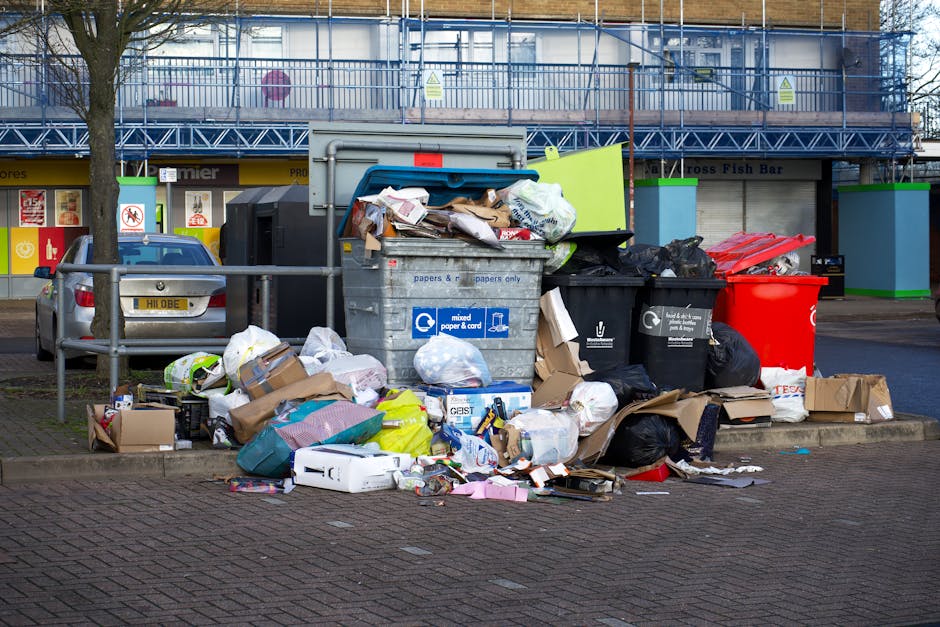
Greenwich council bulky waste rules and removals in Plumstead

If you live in Plumstead, bulky waste can become one of those jobs that sits quietly in the corner of your week until it suddenly needs dealing with. A broken wardrobe in the hallway, an old mattress leaning in the spare room, a fridge that should have gone months ago - it all takes up space and mental energy. This guide to Greenwich council bulky waste rules and removals in Plumstead explains the council side of things, when a private removal service makes more sense, and how to avoid the usual headaches.
Let's face it: bulky items are rarely just "one item". They often turn into a small project involving lifting, sorting, timing, access, and the awkward question of where everything can legally go. The good news is that once you understand the basics, the whole process gets much easier. Below, you'll find practical advice, local context, a clear step-by-step approach, and a realistic comparison of your options.
Why Greenwich council bulky waste rules and removals in Plumstead Matters
Bulky waste rules matter because they decide what happens to larger household items that will not fit in normal bins. In a place like Plumstead, where many homes have limited storage and narrow access, the difference between a smooth clearance and a messy one often comes down to planning. A sofa on the pavement is not the same as a scheduled collection. Nor is a dismantled bed frame the same as a pile of mixed rubbish. The rules shape what is accepted, how it should be presented, and whether you can avoid unnecessary delays.
There is also a practical reason this topic matters: bulky items can become a safety issue very quickly. A heavy chest of drawers left in a tight hallway is a trip hazard. A cracked mirror in the corner can become a cut risk. Damp mattresses can smell before you even notice they're damp. It sounds obvious, but in real homes things get pushed "for later" all the time.
Understanding council rules also helps you choose the right removal method. Sometimes a council collection is perfectly fine. Sometimes a private man and van style service is the better fit, especially if you need lifting help, mixed items moved from upstairs, or disposal coordinated around a move. In other cases, using a dedicated furniture pick up or broader furniture removals service may be more efficient than trying to split the job between different providers.
Practical takeaway: The best bulky waste solution is not always the cheapest one on paper. It is the one that matches the item type, access, timing, and amount of lifting involved.
How Greenwich council bulky waste rules and removals in Plumstead Works
In simple terms, bulky waste removal is about getting large household items collected and taken away in a way that is controlled, safe, and compliant. Councils usually separate bulky waste from normal refuse because it needs different handling. Items may need to be booked in advance, placed in a specified location, and prepared so the crew can collect them safely.
While exact council arrangements can change, the general pattern is usually the same: you identify the item, check whether it is accepted, book the collection if needed, and make sure the item is ready on the correct day. If an item is too heavy, contaminated, partially dismantled in the wrong way, or mixed with general rubbish, it may not be accepted as bulky waste. That is where people often get caught out.
In Plumstead, the real-world challenge is often access. Think of a Victorian terrace, a top-floor flat, or a narrow front path where a large item needs to be turned carefully. A council crew may only collect from the agreed point. A private removal team can sometimes provide more help with moving the item from the room, down stairs, and onto the vehicle. If you are dealing with a larger home clearance or moving day spillover, it may also make sense to look at removal services or even removals if the bulky waste is part of a bigger move.
For many households, the process follows one of two paths:
- Council collection route: best for straightforward household bulky items that are allowed and already ready to collect.
- Private removal route: best for urgent jobs, awkward access, heavier lifting, multiple items, or mixed waste and furniture.
You do not always need a full house move team. Sometimes a single-item pickup is enough. Other times, if the item is one part of a larger reset, house removals or even flat removals can cover the whole job in one visit. Not glamorous, but very effective.
Key Benefits and Practical Advantages
Getting bulky waste handled properly saves more than space. It saves time, prevents injury, and reduces the chance of items being left around for weeks because nobody wants to be the one who wrestles the sofa down the stairs. In our experience, the best outcomes usually come from deciding early whether the council route or a private removal route is the more sensible fit.
- Cleaner rooms and safer walkways: you clear hazards and regain usable space.
- Less stress on the day: clear planning means fewer last-minute decisions.
- Better handling of awkward items: wardrobes, mattress sets, and heavy furniture are easier to move with the right support.
- More predictable timing: especially if you are coordinating with a tenancy end, delivery, or sale completion.
- Reduced risk of fly-tipping: a lawful collection route helps keep waste managed correctly.
There is also a sustainability angle. Choosing a proper collection or removal route makes it easier for reusable items to be separated, recycled where possible, and disposed of responsibly. If environmental handling matters to you - and it probably should - it is worth reading more about a provider's approach to recycling and sustainability.
For business users, the benefits are slightly different. Office clear-outs, broken desks, and unwanted filing furniture often need a faster and more controlled response. In those cases, commercial moves or office removals may be more suitable than trying to manage bulky waste as a one-off household job.
Who This Is For and When It Makes Sense
This topic is relevant to a pretty wide range of people in Plumstead. It is not just for people clearing out a spare room, though that is a common one. You may need bulky waste removal if you are:
- moving house and discovering the old furniture will not be coming with you
- clearing a rental property before check-out
- replacing a sofa, bed, wardrobe, or white goods item
- making space after a loft, garage, or garden sort-out
- dealing with an inherited property or a long-postponed clearance
- running a small business with surplus office furniture
- living in a flat where getting items out is awkward and time matters
It makes sense to use council bulky waste services if the items are eligible, you are not in a rush, and the access is straightforward. If you need more hands, more flexibility, or a same-week turnaround, a private removal option may be better. That could mean a standard vehicle-led service, a removal van, or, for larger or more complex jobs, a removal truck hire setup.
There is no shame in choosing the easier route. Honestly, that is usually the sensible route.
Step-by-Step Guidance
Here is a practical way to approach bulky waste in Plumstead without overcomplicating it.
- List everything you need removed. Separate furniture, appliances, mattresses, and mixed rubbish. One room can hide three different disposal problems.
- Check what can be accepted. Councils often have rules about item type, condition, and preparation. If the item is contaminated or unsafe, it may need a different route.
- Measure access points. Doorways, stair turns, shared hallways, and tight corners matter more than people expect. A sofa that looks fine in the living room can become a beast at the front door.
- Decide whether dismantling helps. Beds, wardrobes, and tables may be easier to handle if taken apart first. Keep screws and fittings in a labelled bag.
- Choose your collection method. If the job is simple, a council booking may work. If not, book a private team that can manage lifting and transport.
- Prepare the items safely. Remove loose contents, drain appliances if relevant, and keep glass or sharp edges protected.
- Move items to the agreed point. Some collections require a front boundary or ground-floor access. Do not block exits or communal areas.
- Keep proof of booking and any instructions. A screenshot or email helps if there is a question on collection day.
If the bulky waste is part of a bigger move, it is often easier to bundle the work together. For example, if you are packing up a home and want to clear out the extras at the same time, services like packing and boxes or packing and unpacking services can keep the whole process moving instead of turning it into a five-week saga.
Expert Tips for Better Results
Over time, a few habits make bulky waste removal much easier. Small things, yes, but they save the kind of annoyance that ruins a Saturday morning.
- Take photos before booking. They help you decide whether an item is suitable and whether extra help is needed.
- Group items by type. Keep wood, metal, mattresses, and mixed waste separate where possible. It makes the job cleaner and easier to assess.
- Use a "keep, donate, remove" sort. It stops usable items being thrown out too quickly.
- Protect floors and corners. Particularly in narrow hallways or shared stairwells.
- Book ahead where possible. That reduces stress if you are working to a move-out date.
- Ask how disposal is handled. Reuse, recycling, and responsible disposal should not be an afterthought.
A quiet but useful tip: if you know an item is likely to be awkward, deal with it before the rest of the move gets underway. Once boxes are everywhere, a bulky item can become one more thing you keep walking around. It's funny how that happens.
If the load is heavier than expected or the access is tricky, a provider offering man with a van support can be a practical middle ground between a full removals crew and doing it yourself.
Common Mistakes to Avoid
People tend to make the same mistakes with bulky waste, especially when they are trying to save money or rush the job.
- Leaving booking too late: this is the big one. Deadlines make everything harder.
- Assuming all large items are accepted: they are not. Some items need special handling.
- Not checking access: a tight staircase can turn a simple pickup into a slow, risky job.
- Mixing waste types: this can cause rejection or extra sorting time.
- Underestimating lifting risk: bulky waste is where backs get strained and fingers get trapped.
- Forgetting communal rules: flats and shared buildings often have their own expectations for where items can be placed.
Another common one is treating bulky waste like standard rubbish. It isn't. If you dump furniture beside the normal bins, you may create an access problem for neighbours and, frankly, a bit of a bad mood. Not ideal.
When the job is larger than expected, a specialist team can save time and reduce risk. That is especially true if you need help with heavier pieces such as pianos, which should always be treated as a specialist move rather than an ordinary lift. In those cases, piano removals is the kind of support you want, not guesswork and a prayer.
Tools, Resources and Recommendations
You do not need fancy equipment to manage bulky waste properly, but a few basic tools help a lot. A tape measure, gloves, furniture sliders, a trolley, strong bags for screws, and masking tape for labels are all genuinely useful. If you are dismantling furniture, keep the right screwdriver bits nearby before you start. Otherwise you end up wandering the house muttering at a missing Allen key. We have all been there.
For bigger clearances, it helps to work with services that can handle collection, loading, and transport in one go. Depending on the job, the most relevant options may include:
- removal services for structured, end-to-end support
- same-day removals if timing is tight
- storage if you are not ready to part with everything yet
- student removals for smaller loads between term moves
If you are comparing providers, read their policy pages too. Things like insurance and safety, health and safety policy, and terms and conditions are not glamorous, but they tell you a lot about how seriously a company treats the work.
Law, Compliance, Standards, or Best Practice
When dealing with bulky waste, the key compliance principle is simple: waste should be handled responsibly and passed to an authorised route. In UK practice, that means you should avoid leaving items for informal collection by someone who cannot clearly explain where they are going or how they will be dealt with. If waste ends up fly-tipped, the original owner can sometimes face difficult questions, so it is worth being careful.
There are also practical best practices that matter even when no one is looking. Items should be moved safely, access routes kept clear, and any lifting done with enough people and the right equipment. For shared buildings, you should also respect communal rules and avoid blocking corridors, entrances, or fire exits. That bit is not optional.
If you are arranging removals during a move-out or refurbishment, use a provider that can explain how they manage disposal and separation of reusable items. It shows a cleaner process overall. If you are dealing with business waste or an office clear-out, you may want a service aligned to larger-scale handling, such as office relocation services, rather than trying to bodge a one-off collection.
Best practice also includes being honest about the load. If there are stairs, awkward angles, heavy appliances, or multiple floors, say so early. A good removal team can only plan properly when they know what they are walking into. Quite literally.
Options, Methods, or Comparison Table
There is no one-size-fits-all answer. The right choice depends on how much you need moved, how quickly you need it gone, and how awkward the access is. Here is a straightforward comparison.
| Option | Best for | Pros | Watch out for |
|---|---|---|---|
| Council bulky waste collection | Simple household items, no rush, straightforward access | Clear process, suitable for standard items, useful for routine clear-outs | May have booking rules, item restrictions, and limited flexibility |
| Man and van removal | Moderate loads, mixed items, awkward transport needs | Flexible timing, lifting help, good for door-to-door handling | Check what is included and whether disposal is part of the job |
| Full removal service | Larger clear-outs or move-related bulky waste | More hands, better for stairs and multiple items, less stress | Usually overkill for one small item |
| Storage first, removal later | When you are undecided or staging a move | Buys time, keeps options open | Not a disposal solution, just a delay strategy |
If you need help with a home move alongside bulky waste, the most efficient solution may be a broader service like home moves or house removalists. That way, the same team can take the unwanted items and move the keepers in the same visit. Clean, simple, done.
Case Study or Real-World Example
A typical Plumstead scenario goes like this. A couple is moving out of a first-floor flat and has two wardrobes, a broken bed frame, and an old sofa that will not fit in the new place. They start by thinking council bulky waste will cover everything. Then they realise the wardrobes need dismantling, the sofa is awkward on the stairs, and the move-out date is close enough to make timing a bit sweaty.
Instead of juggling several separate bookings, they split the job into two parts. Reusable items are kept aside. The bulky items are measured, photographed, and checked for access. Because the stairwell is tight and the deadline is near, they choose a private removal option rather than waiting for a collection slot that may not suit the move. The result is less stress, fewer arguments about who carries what, and no pile of furniture sitting in the corridor at 7am.
That kind of planning is common. Truth be told, the smoothest clearances are rarely the ones where people "just see how it goes". They are the ones where someone spends ten minutes measuring, sorting, and deciding the right route before anything heavy moves.
For jobs like that, it helps to know whether you need simple vehicle support, a larger truck, or a broader moving plan. Sometimes the right answer is a moving truck. Sometimes it is just a smaller, quicker load with a man with van style service. The point is to match the method to the mess.
Practical Checklist
Use this checklist before booking or setting out bulky waste for collection:
- Identify each item clearly and decide whether it is to be kept, donated, or removed
- Measure doorways, stairs, and hall turns
- Check whether the items are likely to be accepted through the council route
- Confirm the collection date, time window, and presentation instructions
- Dismantle furniture where it will make the job safer
- Remove loose contents, batteries, or breakable items
- Protect floors, walls, and shared areas if needed
- Keep bags or boxes for screws, fittings, and small parts
- Have a backup plan if the collection is delayed or the item is rejected
- Choose a removal provider with clear safety and insurance information
A quick check now saves a lot of irritation later. Not glamorous, but useful.
Get a free quote today and see how much you can save.
Conclusion
Greenwich council bulky waste rules and removals in Plumstead are really about making a practical decision: use the council route when it fits, or choose a private removal solution when the load, timing, or access makes that the smarter choice. If you plan carefully, measure honestly, and think about the end point before moving the first item, the whole job becomes far less painful.
For straightforward waste, council collection may be enough. For awkward furniture, urgent deadlines, or mixed items, a removal service can save time and reduce the risk of damage or injury. Either way, the goal is the same: clear the space properly, do it safely, and avoid turning one room into a long-running project.
And once it is done, you really do feel it - that quieter, lighter sense of a home that can breathe again. Small win, big relief.
Frequently Asked Questions
What counts as bulky waste in Plumstead?
Bulky waste usually means large household items that do not fit in normal bins, such as sofas, wardrobes, beds, mattresses, tables, and some appliances. The exact accepted list can vary depending on the collection route.
Can I leave bulky items on the pavement for collection?
Only if the collection instructions say to do so. Leaving items out without the right booking or permission can create problems for access, neighbours, and compliance.
Is council bulky waste cheaper than private removal?
Often yes for a simple item, but not always cheaper overall if you need special lifting, dismantling, or a fast collection. The cheapest option on paper is not always the best value.
What if my bulky item is too heavy to move myself?
That is a good reason to consider a private removal service. Heavy items are where injuries happen, especially on stairs or in narrow hallways.
Do I need to dismantle furniture before removal?
Not always, but dismantling can make collection safer and easier. It is especially helpful for wardrobes, bed frames, and large tables.
What should I do with reusable furniture?
If the item is still in decent condition, it may be better to keep it aside for reuse, resale, or a separate pickup rather than sending it straight to disposal.
How do I know whether a collection route is right for me?
Ask yourself three things: how urgent is it, how difficult is the access, and how many items are involved. If the answer is "urgent, awkward, and several", a private removal route is usually the better fit.
Can bulky waste be collected from a flat or upper floor?
Yes, but access matters. Stairs, lifts, and communal rules can affect how the item is moved and whether extra help is needed.
What happens if my item is rejected on the day?
That usually means the item did not meet the collection criteria or was not prepared correctly. Keep a backup plan and check the rules again before rebooking.
Are same-day bulky waste removals possible?
Sometimes, especially through private services, but availability depends on workload and route planning. If time matters, book early rather than hoping for a last-minute slot.
Can bulky waste be included in a house move?
Yes, and that is often the most efficient way to handle it. A move-out clearance can be combined with house removals so the unwanted items and the keepers are handled in one plan.
Where can I compare service options for bigger clear-outs?
Start with pages that explain the available help clearly, such as removal companies, removal services, and pricing and quotes. That gives you a better feel for what suits your situation before you commit.