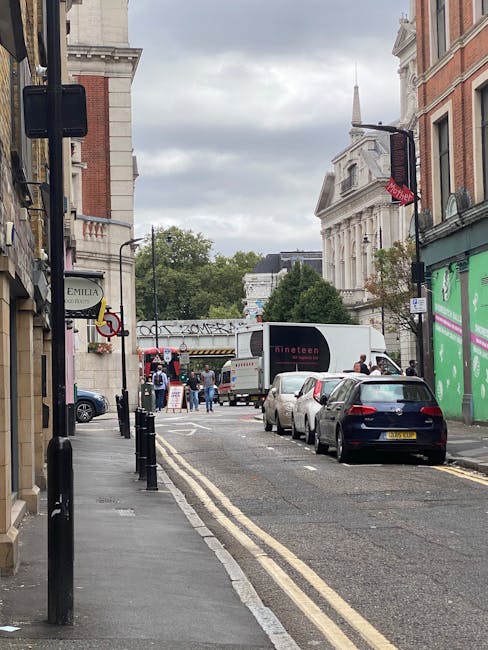
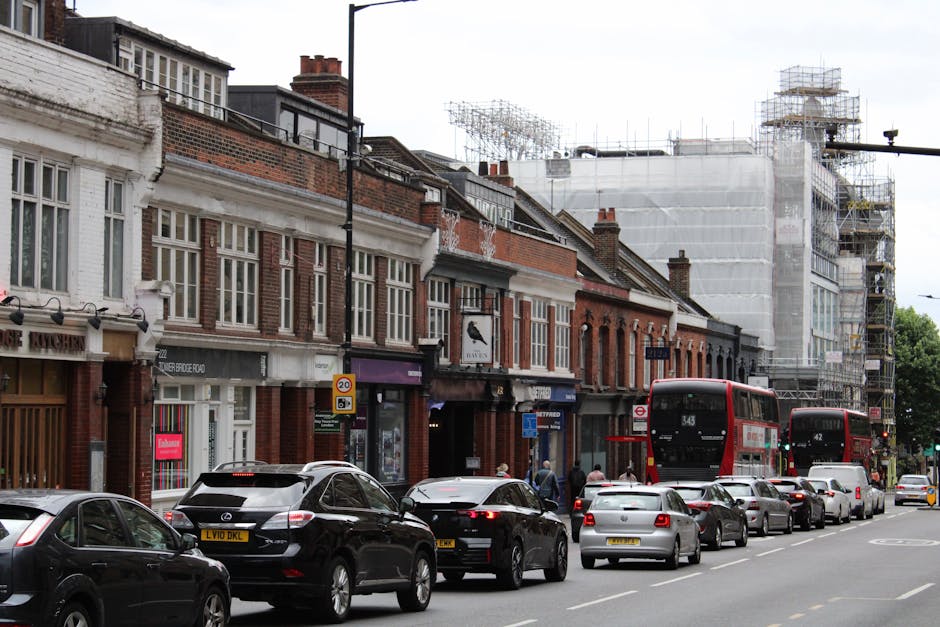
Removals on Plumstead High Street loading advice
If you are planning a move near Plumstead High Street, the loading part can make or break the day. The boxes may be packed, the van may be booked, and yet the whole job can stall if you cannot stop safely, load quickly, or keep the pavement clear. That is where practical Removals on Plumstead High Street loading advice really helps. In this guide, we will walk through the local realities, the common headaches, and the best way to keep your move calm, legal, and efficient. It is less glamorous than choosing boxes, granted, but it is often the bit that saves time and stress.
Whether you are moving a flat above a shop, clearing a house, or arranging a smaller man and van job, the details matter. How close can the vehicle get? Where should heavy items go first? What if traffic is building and the lift is slow? Let's make it straightforward.
Table of Contents
- Why Removals on Plumstead High Street loading advice Matters
- How Removals on Plumstead High Street loading advice Works
- Key Benefits and Practical Advantages
- Who This Is For and When It Makes Sense
- Step-by-Step Guidance
- Expert Tips for Better Results
- Common Mistakes to Avoid
- Tools, Resources and Recommendations
- Law, Compliance, Standards, or Best Practice
- Options, Methods, or Comparison Table
- Case Study or Real-World Example
- Practical Checklist
- Conclusion
- Frequently Asked Questions
Why Removals on Plumstead High Street loading advice Matters
Loading advice matters because removals are rarely just about lifting and driving. On a busy local street, the real risk is delay: nowhere to stop, nowhere to stage items, or a narrow window where everything has to happen at once. If a van has to circle the block a few times, or if boxes are carried a long distance from the property to the vehicle, that extra movement adds friction fast.
Plumstead High Street has the kind of day-to-day activity that many London streets do: passing traffic, local shops, people on foot, deliveries coming and going, and the usual unpredictability of parking. A move that sounds simple on paper can get messy when the van is slightly too large, the timing is off, or the front door opens onto a busy stretch of pavement. You will notice the difference immediately when the loading plan is not thought through.
Good loading advice also protects your belongings. Heavy items placed badly can shift during transit, scratch furniture, or create a knock-on effect that damages lighter boxes underneath. To be fair, people often focus on the long drive and forget that the first ten minutes of loading are where a lot of avoidable problems begin.
Expert summary: A well-planned loading setup saves time, reduces lifting, lowers the chance of damage, and makes it easier to keep your move compliant with local parking and access rules.
There is another reason this matters: peace of mind. When everyone knows where the van will stop, who carries what, and which items go in first, the whole move feels more manageable. That calm is worth a lot on moving day.
How Removals on Plumstead High Street loading advice Works
The basic idea is simple: prepare the loading point, reduce unnecessary walking distance, protect the route from property to van, and load items in a sensible order. In practice, that means thinking about access, vehicle size, timing, and the nature of the items being moved.
Start with the location itself. If you are moving from a property directly on or near Plumstead High Street, the road layout, traffic flow, and available stopping space will shape your plan. Some moves are fine with a standard van. Others need a larger vehicle, a second parking position, or a short carrying distance from a side street. The move may look like a simple doorstep job, but one awkward staircase or a tight frontage can change everything.
Next comes the loading method. A good team usually separates the job into stages: larger furniture first, fragile or awkward pieces protected and secured, and smaller boxes stacked in gaps only when they will not get crushed. That sounds obvious, but it is amazing how often it is rushed. One badly placed mattress can make the difference between a neat, secure load and a sliding puzzle on wheels.
There is also the practical matter of timing. Early morning can be calmer in some cases; at other times, school run traffic, shop deliveries, or commuter flow can make a short wait feel much longer. If you are moving on a weekday, that local rhythm really matters. A move that begins five minutes late can become twenty minutes late without much effort. Annoying, yes. Rare? Not really.
Finally, a proper loading plan should include a fallback. What happens if the kerbside space you expected is occupied? What if the lift is delayed? What if a sofa will not fit through the door the way you hoped? Best practice is to have a second option before the first problem turns into a stand-off.
Key Benefits and Practical Advantages
When loading is planned properly, the benefits show up in very ordinary ways. Fewer trips. Less lifting. Less waiting around. Fewer awkward phone calls from the driver saying the van is stuck two streets away. That sort of thing.
- Faster turnaround: A shorter carrying distance and a clear loading spot speed things up immediately.
- Lower damage risk: Items are less likely to knock, slip, or be dropped when the route and sequence are planned.
- Less stress for everyone: A move feels less chaotic when there is an agreed process.
- Better use of the vehicle: Proper stacking helps you fit more in one load and avoid wasted space.
- Safer lifting: Reduced handling means fewer opportunities for back strain or accidental bumps against walls and doors.
- Cleaner handover: If you are moving out of a rented property, a neat departure is much easier when the loading side has been organised.
Another practical benefit is simple credibility. If you are managing an office relocation, a flat move, or even a small furniture collection, an efficient loading plan tells everyone involved that the job is under control. That can calm a surprisingly tense day.
Who This Is For and When It Makes Sense
This kind of advice is useful for almost anyone moving in or around Plumstead High Street, but it is especially valuable if your property has limited access, tight parking, or a time-sensitive handover. If you are in a flat above a parade of shops, if you are moving a bulky sofa, or if your belongings need careful handling, planning the loading point is not optional. It is the difference between a tidy move and an exhausting one.
It also makes sense for people booking a man and van service, where the job is often compact and time-based. In those moves, a ten-minute access issue can have a bigger impact than you might expect. The driver is often working to a schedule, and every delay has a knock-on effect. Same-day removals can be particularly sensitive to this.
Homeowners moving out of a terraced property, tenants clearing a top-floor flat, students moving smaller loads, and local businesses relocating stock or office items all benefit from the same core principle: load smart, not hard. Even if the move is small, the street and the access can still be the tricky part.
If you have a fragile or awkward item, such as a piano, a big wardrobe, or a deep fridge freezer, loading advice becomes even more important. One item can dictate the whole sequence. That is just how removals go sometimes.
Step-by-Step Guidance
1. Check the access before moving day
Look at the frontage, the doorway, the pavement, and any nearby stopping space. Ask yourself a simple question: can a van stop here without causing a fuss? If the answer is maybe, you probably need a backup plan.
2. Decide where the vehicle should stand
Try to keep the carry as short and direct as possible, while still leaving room for pedestrians and traffic to pass safely. If the property is on a busier part of the high street, consider whether a side road or nearby legal stopping point may work better.
3. Separate items by load priority
Put the heaviest and most stable items first: beds, sofas, wardrobes, appliances. Lighter boxes, soft bags, and fragile items should follow once the main structure of the load is in place.
4. Protect the route from door to van
Use covers, blankets, or simple corner protection where needed. Even a short carry can leave scuffs on a painted wall or chipped edges on furniture. It happens quickly. Almost too quickly.
5. Load with balance in mind
Try to spread the weight evenly across the vehicle and avoid leaving a heavy side or a top-heavy stack. That helps the van drive more smoothly and makes unloading easier at the other end.
6. Keep fragile items separate
Glass, mirrors, artwork, and electronics need their own space if possible. If they have to share the van with heavier furniture, they should be secured so nothing can slide onto them.
7. Double-check before the doors close
It is worth taking ten extra seconds to look around before locking up. Are all the items in? Are the straps tight? Is the access clear? That tiny pause often saves a much bigger headache later.
One line of advice from experience: do not leave the last load to guesswork. The final few boxes are where people get casual, and that is usually when something gets forgotten or placed badly. Happens all the time.
Expert Tips for Better Results
If you want the loading side to go smoothly, think like a logistics planner for half an hour. You do not need a clipboard and a stern face, just a bit of structure.
- Pre-pack the first unload box: Keep kettle, mugs, phone chargers, medication, and a few basics together so you are not digging through ten boxes later.
- Label clearly by room: It sounds dull, but it saves time at both ends of the move.
- Measure large furniture in advance: A sofa that looked fine in the living room can become a problem at the doorway. Funny old world.
- Use straps and blankets properly: A secure load protects both your belongings and the crew.
- Plan for weather: A wet morning in London can make boxes slippery and pavements awkward. Waterproof covers help more than people expect.
- Build in slack time: If you think the load will take forty minutes, plan for fifty-five. That buffer helps when a lift is slow or the street is busy.
For more complex jobs, it can help to book related support such as packing and boxes or packing and unpacking services so the loading phase starts with stable, well-prepared items. That is especially useful if you are moving with children, pets, or a tight deadline.
A practical little trick: photograph awkward items before they leave the property. If there is a later question about damage or condition, those photos are useful. Not glamorous, but helpful.
Common Mistakes to Avoid
Most loading problems are not dramatic. They are just small oversights that snowball. The kind that make everyone sigh at the same time.
- Assuming there will always be curb space: High streets are unpredictable. Never rely on luck alone.
- Leaving everything until the van arrives: Sorting at the last second slows the whole process.
- Loading by convenience instead of sequence: If you pack randomly, unloading becomes chaotic too.
- Ignoring awkward item shapes: A mattress, mirror, or table leg can spoil the plan if not handled early.
- Overpacking boxes: Heavy boxes are harder to lift and more likely to burst.
- Forgetting pedestrian flow: A load that blocks the pavement can create complaints and added pressure.
- Not checking building rules: Flats, managed blocks, and shared entrances may have specific access expectations.
One especially common mistake is underestimating how much time lifting takes when stairs are involved. A top-floor flat is not just "a bit more work." It changes the whole pace of the move. If that sounds familiar, you are not alone.
Tools, Resources and Recommendations
You do not need a warehouse full of gear to load well, but a few basic tools make a huge difference. In practice, the right equipment often matters more than another pair of hands.
| Tool or resource | Why it helps | Best used for |
|---|---|---|
| Removal blankets | Protects furniture edges and finishes | Sofas, wardrobes, tables, appliances |
| Straps | Keeps items secure in transit | Heavy loads, stacked items, fragile groups |
| Sturdy boxes | Prevents crushing and makes stacking easier | Books, kitchenware, household items |
| Trolley or sack truck | Reduces lifting strain and speeds movement | Boxes, white goods, heavier awkward items |
| Floor and corner protection | Reduces scuffs in hallways and entrances | Flats, narrow corridors, painted walls |
| Inventory list | Helps track what is loaded and what is still inside | Larger house moves, office removals, storage moves |
If your move involves storage or items that will not go straight to the new address, it is worth looking at storage as part of the wider plan. And if you need help moving larger or heavier goods, furniture removals or a suitable removal van can make the job much easier.
For many local moves, a reliable man and van setup is enough. For larger home moves, the vehicle size and crew approach may need more thought. There is no one-size-fits-all answer, truth be told.
Law, Compliance, Standards, or Best Practice
When loading on or near a busy street, common sense and local compliance go hand in hand. You should avoid blocking traffic, obstructing footways unnecessarily, or stopping where restrictions clearly apply. In London, parking and loading arrangements can vary by location and time of day, so it is worth checking the local situation well before the move.
Best practice also means thinking about safety duties. A responsible removal team should handle lifting carefully, use suitable equipment, and keep walkways as clear as possible. That matters not only for the crew, but for residents, neighbours, shop visitors, and anyone passing by with a pushchair or shopping bags. A few seconds of care go a long way.
If your move involves a managed building, you may also need to respect house rules about lift use, access times, and protective covering in communal areas. That is not always written in giant letters on the wall, unfortunately. Sometimes you only find out by asking. Which, of course, is usually the smart move anyway.
For general confidence, it helps to choose companies that are transparent about insurance and safety, and clear on operational expectations through their health and safety policy. If you are comparing providers, it is also sensible to review pricing and quotes alongside the practical loading plan, because a cheap quote is not much use if the job is badly organised.
For local roadside access concerns, topics like permit handling and parking restrictions are often the hidden detail that decides whether a move feels easy or frustrating. If you are planning around tighter streets, you may also find it useful to read about council permit rules for Plumstead van parking and removals and local moves on Plumstead High Street.
Options, Methods, or Comparison Table
Not every move on Plumstead High Street needs the same loading method. The right option depends on the size of the property, the amount of furniture, and how easy it is to stop close to the entrance.
| Approach | Best for | Pros | Watch-outs |
|---|---|---|---|
| Kerbside quick load | Small moves, flat clearances, a few bulky items | Fast, simple, less handling | Needs legal stopping space and a short carry |
| Staged hallway load | Flats, narrow homes, mixed furniture and boxes | Organised, safer for fragile items | Requires more preparation inside the property |
| Timed slot with a larger van | Medium to larger home moves | More capacity, fewer trips | Can be harder to park if access is tight |
| Specialist handling setup | Pianos, antiques, awkward or heavy furniture | Better protection, lower risk | Usually needs extra planning and equipment |
If you are unsure which approach fits, start with access first, not with volume. That is the mistake people make most often. They think, "We only have a few items," then discover the street layout is the real issue.
Case Study or Real-World Example
A typical local scenario goes like this. A couple moving out of a first-floor flat near Plumstead High Street has a sofa, bed frame, dining table, six medium boxes, and a couple of lamps. On paper, it sounds like a quick job. But the front entrance opens onto a narrow pavement, the street is already busy mid-morning, and there is no guaranteed bay directly outside.
Instead of trying to wing it, the move is organised in three parts. First, the most awkward furniture is measured and wrapped. Second, the team checks the nearest legal stopping point and plans a short carry route. Third, the light boxes are held back until the larger pieces are secure in the van. The loading takes a little longer than hoped, maybe fifteen minutes more than the couple first imagined. But everything arrives in good order, with no rushed lifting and no awkward scrambling in the road.
That is the thing about removals advice: the best outcome often looks boring. No drama, no last-minute panic, no "we'll just squeeze it in somehow" moment. Just a clean process that works.
For moves like this, it can be helpful to look at related local guidance such as narrow access removals advice and weekend removals planning if your timing is limited.
Practical Checklist
Use this quick checklist before the van arrives. It keeps the day grounded and stops little things becoming big things.
- Confirm the moving time and expected arrival window.
- Check whether the van can stop legally and safely close to the property.
- Measure any bulky furniture, doorways, stairs, and tight corners.
- Pack fragile items separately and label them clearly.
- Prepare blankets, straps, tape, and a trolley if needed.
- Clear hallways, entry points, and any trip hazards.
- Tell neighbours or building management if access could affect them.
- Keep important documents, keys, chargers, and medicines separate.
- Plan the loading order before the first item comes out.
- Have a backup stopping point in case your first option is unavailable.
- Take a quick final walk-through of the property before leaving.
Short practical reminder: if something feels awkward before loading starts, it will probably feel even more awkward halfway through. Sort it early. Your back will thank you later.
Conclusion
Good removals on Plumstead High Street loading advice is really about reducing friction. A sensible stop point, a clear loading order, the right tools, and a realistic view of local access can turn a stressful moving day into a steady, manageable one. It does not have to be perfect. It just has to be planned well enough that people can work safely and belongings can travel securely.
Whether you are moving a single room, a family home, or a business load, the same basic logic applies: think ahead, keep the route clear, and respect the street as much as the furniture. That small bit of discipline pays off in time saved, damage avoided, and one less thing to worry about.
Get a free quote today and see how much you can save.
If you are still weighing up the best approach, a quick conversation with a local removals team can make the rest of the day feel much more straightforward. And honestly, that peace of mind is worth a lot.
Frequently Asked Questions
What is the best loading advice for removals on Plumstead High Street?
The best advice is to plan the stopping point first, then work backwards from the property entrance. Keep the carry short, load larger items before boxes, and make sure the route is clear for both movers and pedestrians.
Do I need a large van for a move on Plumstead High Street?
Not always. Smaller loads may only need a standard removal van or man and van service. The deciding factor is usually the amount of furniture and how easily the vehicle can stop near the property.
What if there is no parking space outside my property?
That is common on busier streets. In that case, plan for the nearest legal stopping point and allow extra time for carrying items. A backup option is always wise, especially on a high street.
How early should I prepare for loading?
Ideally, most packing and sorting should be done the day before. On the day itself, have your access clear and your bulky items ready to go so the van can be loaded without delay.
What items should go in the van first?
Usually the largest, heaviest, and most stable items go in first. Sofas, beds, wardrobes, and appliances help create a solid base. Lighter boxes and fragile items are added after that.
Can I load everything myself?
You can if the move is small and the items are manageable, but larger or awkward loads are easier and safer with help. If you are dealing with stairs, heavy furniture, or limited access, extra support is often worth it.
How do I protect my furniture during loading?
Use blankets, padding, and straps, and keep surfaces from rubbing against walls or door frames. Wrapping delicate edges is a simple way to avoid scuffs and knocks.
Are there local issues I should think about near Plumstead High Street?
Yes. Traffic flow, parking availability, nearby shops, and pedestrian movement can all affect loading. Timing matters more than people expect, especially during busier parts of the day.
Is it worth booking packing help as well as loading help?
For many moves, yes. Good packing makes loading faster and safer because boxes are stronger, better labelled, and easier to stack. It can also reduce the chance of damage in transit.
What should I ask a removals company before booking?
Ask how they handle access, what vehicle size they recommend, whether they carry insurance, and how they manage loading in busy or restricted streets. Clear answers usually tell you a lot about how organised they are.
Can removal teams help with fragile or awkward items?
Yes, many can. Just be clear about anything heavy, fragile, or unusually shaped in advance so the right equipment and approach can be planned.
What is the biggest mistake people make when loading on a busy street?
Assuming the street will be easy on the day. It usually is not. A proper plan for stopping, carrying, and sequence makes the whole move smoother and far less tiring.