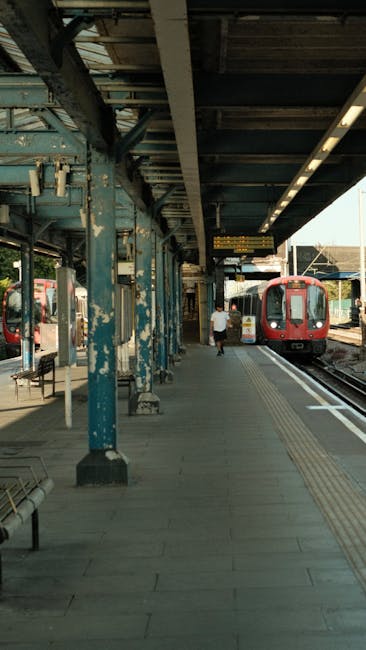
Same Day Removals Delays Near Plumstead Railway Station: What Causes Them and How to Keep Your Move on Track
If you are dealing with same day removals delays near Plumstead railway station, you probably do not need a lecture - you need a clear plan. A same-day move can unravel quickly when traffic backs up, parking vanishes, the lift is already in use, or the chain of loading, unloading, and travel timing slips by even 15 minutes. Around a busy rail corridor, that ripple effect can feel like a full-blown headache.
This guide explains why delays happen, what they usually mean in practice, and what you can do to reduce the stress. It is written for people who are already on the clock, plus anyone comparing local removal options and trying to make a sensible decision before booking. We will cover planning, timing, risk points, best practice, compliance, and a few hard-won tips that tend to save the day. Truth be told, a smooth same-day move is usually less about luck and more about preparation.
Table of Contents
- Why same-day removals delays near Plumstead railway station matter
- How same-day removals delays near Plumstead railway station work
- Key benefits and practical advantages
- Who this is for and when it makes sense
- Step-by-step guidance
- Expert tips for better results
- Common mistakes to avoid
- Tools, resources and recommendations
- Law, compliance, standards, or best practice
- Options, methods, or comparison table
- Case study or real-world example
- Practical checklist
- Conclusion
- Frequently asked questions
Why Same Day Removals Delays Near Plumstead Railway Station Matters
Same-day removals are unforgiving. You do not have the luxury of waiting until tomorrow, and you cannot easily "make up time later" once the schedule slips. Near Plumstead railway station, delays can become more common because local movement patterns are busy, roads can be constrained, and loading space is often limited by parked vehicles, narrow stretches, or shared access. A small snag at the wrong moment can throw off the whole chain.
That matters for more than convenience. If the crew arrives late, you may have to extend building access, juggle a handover window, or keep belongings in limbo while you wait. If a lift breaks down or a road closure shifts traffic, you can end up paying for avoidable idle time. And if you are moving with children, pets, or older relatives, the emotional strain climbs fast. Nobody enjoys standing in a hallway with boxes while the clock ticks and someone mutters, "It should only be another ten minutes."
Near a station, there is another layer: rail-adjacent traffic, pedestrian activity, and unpredictable pressure around arrival and departure times. Even when the removals team is well organised, the local environment may not be ideal for a simple in-and-out move. So the real question is not just can the move happen today, but how do you protect the schedule if it starts to drift?
Practical takeaway: delays are not just annoying; they can affect access, cost, energy, and the overall success of the move. Planning for them upfront is far better than improvising mid-afternoon.
How Same Day Removals Delays Near Plumstead Railway Station Works
A same-day removal normally runs on a tight sequence: arrival, quick assessment, packing or final wrapping, loading, travel, unloading, and final placement. In theory, each stage slots neatly into the next. In reality, any one stage can expand. A sofa may not fit through the stairwell the way you expected. A parking space may be occupied. A neighbour may be using the only shared access route. One lost key or missing parking permit can quietly consume the best part of an hour.
Near Plumstead railway station, the main delay points tend to come from a mix of local and logistical issues:
- Traffic pinch points: station-area traffic can slow arrival and departure times, especially around busy commuting windows.
- Parking uncertainty: if the vehicle cannot get close enough, the move becomes slower and more physically demanding.
- Access problems: tight hallways, stair-only properties, flats above shops, and awkward loading bays can add time quickly.
- Timing clashes: keys, check-out times, landlord handovers, and building access windows do not always align perfectly.
- Packing gaps: if items are not ready to go, the removals team can end up waiting or packing under pressure.
To be fair, not every delay is avoidable. London move day realities are what they are. But the way a mover handles the delay tells you a lot. A well-run team will communicate clearly, adjust the loading order, and keep the client informed. A poorly prepared team tends to produce the classic signs: vague estimates, rushed decisions, and lots of staring at the van as if that will somehow make it move faster.
If you are comparing providers, it helps to look beyond the headline promise of "same-day" and ask how they manage traffic disruption, access issues, and last-minute changes. You want a team that plans for friction, not one that is surprised by it.
Key Benefits and Practical Advantages
It may sound odd to talk about benefits in a page about delays, but there are real advantages to understanding the issue properly. The biggest one is control. Once you know where time tends to disappear, you can stop treating every setback as a mystery. That alone makes the move feel more manageable.
Here are the most useful benefits of approaching same-day removals with delay planning in mind:
- Fewer surprises: you can prepare for traffic, parking, and access before the van arrives.
- Lower stress: clear expectations reduce the feeling that the whole day is slipping away.
- Better value: less waiting around generally means better use of booked time and labour.
- Safer handling: less rushing usually means fewer bumps, drops, and awkward carries.
- Smoother handover: if you are moving between rented homes or closing a sale, timing discipline matters.
There is also a softer benefit, which people do not always mention. When a move feels planned, everyone behaves better. The person at the front door is calmer. The children are less wired. The driver has room to think. Even the kettle feels less like it is judging you. Small thing, but it helps.
And if delay risk is discussed properly before booking, you can often choose the right service level: a bigger vehicle, an earlier start, a two-person team, or a move plan that leaves room for access problems near the station area.
Who This Is For and When It Makes Sense
This topic matters most if you are moving today or you have a tight booking window and a property near the station where timing is likely to be fragile. It is especially relevant for:
- tenants with same-day check-out and check-in windows
- homeowners trying to coordinate key handover and furniture delivery
- flat moves with stair access or limited lift availability
- students or short-notice movers with a smaller window to clear a property
- people needing a fast local move after a cancellation, repair issue, or urgent life change
It also makes sense if you already know access is awkward. Maybe the street is narrow. Maybe the loading point is not obvious. Maybe you have a heavy wardrobe and a slightly unreliable lift. In those cases, the issue is not just the move itself; it is the chain of tiny timing decisions leading up to it.
If you are booking a remover, a good provider should be able to talk you through those pressure points without sounding evasive. If they cannot explain how they handle delays, that is a sign to keep asking questions. Fair enough, it is your day and your belongings.
For anyone wanting to learn more about the people behind the service, you can review the company's about us page for background, and check insurance and safety information before confirming a booking.
Step-by-Step Guidance
If you are already facing the possibility of delay, the best thing you can do is move from panic to sequence. A structured approach is much better than trying to solve everything at once.
- Confirm the exact addresses and timing. Double-check flat numbers, entry codes, and any handover windows. A surprising number of delays begin with a small address or access error.
- Clear the route. Keep hallways, stairs, and doorways free so the team can work without obstruction. One rogue coat rack can become weirdly annoying, very quickly.
- Prepare parking information. Know where the vehicle can stop, whether any restrictions apply, and how close loading can realistically get.
- Separate urgent items. Put keys, documents, chargers, medication, and essentials in one bag that stays with you.
- Label high-priority boxes. If a delay happens, the first unloaded items should still be easy to identify.
- Keep the mover updated. If your handover is delayed or access changes, tell them immediately rather than waiting to see if it fixes itself.
- Have a fallback plan. If the move slips, decide in advance where people and key items can wait comfortably.
A useful habit is to treat the day like a chain of short tasks, not one giant event. When the chain is visible, pressure becomes more manageable. The van may still be late, but you will not be stuck making poor decisions in a rush.
One more thing: if you are unsure about quotes, timing, or service scope, the company's pricing and quotes page is a sensible place to understand how bookings and estimates are usually handled.
Expert Tips for Better Results
These are the little moves that make a big difference. Not flashy, just effective.
- Book a buffer. If your plan is too tight, every tiny issue becomes a crisis. A modest time buffer can save the whole day.
- Start earlier if possible. Early starts often avoid the worst of local congestion and reduce same-day pressure later on.
- Pre-pack fragile and awkward items. The more items that are ready when the team arrives, the less chance of a cascade delay.
- Keep bins, prams, bikes, and loose items out of the route. It sounds obvious, but these things slow movers down more than people expect.
- Use one point of contact. One organiser, one phone, one message stream. It reduces the classic "I thought you told him" problem.
- Ask about the plan for access trouble. Good teams normally have a way to adapt when parking or building access is not as expected.
Small observation from real life: the people who have the smoothest same-day moves are rarely the ones with the fewest problems. They are the ones who notice problems early. There is a difference. A big one.
If sustainability matters during the move, it can also help to think ahead about reuse and disposal rather than dumping everything in a hurry. The company's recycling and sustainability information may be useful if you are trying to move responsibly and reduce waste.
Common Mistakes to Avoid
Some delays are pure bad luck. Others are self-inflicted, and those are much more painful because they are usually preventable. Let's face it, nobody likes discovering the mistake after the van has already parked outside.
- Underestimating access time. A short walk from van to door can turn into repeated trips if the vehicle cannot get close enough.
- Assuming everything will fit first time. Furniture, stairwells, and lifts do not always cooperate.
- Not checking building rules. Some blocks have loading restrictions, lift booking requirements, or limits on moving hours.
- Leaving packing too late. Same-day removals work best when the final stage is tidying, not frantic box-building.
- Forgetting security and payment details. If you need to approve payment quickly, make sure that part is ready too. You can review payment and security information before moving day.
- Not having a complaints route in mind. It is always better when expectations are clear. The company's complaints procedure is worth knowing about in advance, just in case anything needs formal review.
A lot of people also forget that tiredness changes judgement. By mid-afternoon, simple choices start to feel heavier. So if a delay has already happened, slow the tempo a little. Re-check the basics. It is not glamorous, but it works.
Tools, Resources and Recommendations
You do not need complicated software to manage a same-day move. You need a few reliable habits and the right information in one place. The most useful "tools" are often surprisingly ordinary.
- Phone notes or a shared checklist: keep access codes, parking notes, and key contact numbers together.
- Box labels: mark essentials, fragile items, and rooms clearly.
- Tape and marker pen: simple, but essential when the pace picks up.
- Charged phone and power bank: because batteries always seem to run low at the worst possible time.
- Printed or saved booking details: useful if mobile signal is patchy near a busy station area.
On the service side, it is sensible to review the company pages that affect confidence and decision-making, not just the headline service promise. For example, the health and safety policy can help you understand the approach to safe handling, while terms and conditions help set expectations around service scope and responsibilities.
If you need to make contact quickly because the move is slipping, use the contact us page. And if you want a broader overview of the business before booking, the homepage at Man and Van Plumstead is a sensible starting point.
Law, Compliance, Standards, or Best Practice
Moving home is not usually the kind of job where people want a legal lecture, and fair enough. But there are a few best-practice areas worth keeping in mind. If you are hiring a removals provider in the UK, it is sensible to check that the company is operating transparently, handling data responsibly, and being clear about safety, payment, and service expectations.
From a practical standpoint, good compliance means clear quotes, honest communication, safe lifting and loading practices, and proper care with access arrangements. It also means that if anything goes wrong, there is a visible route for resolving it. That is why pages such as privacy policy, payment and security, and complaints procedure matter more than people think.
For readers with accessibility needs, a provider should also make reasonable efforts to communicate clearly and handle the move in a way that does not create unnecessary barriers. If you need to check the company's accessibility approach, review the accessibility statement. That sort of thing is easy to overlook until it suddenly becomes important.
You may also want reassurance about ethical and responsible business practice. The company's modern slavery statement is part of that wider trust picture, particularly for customers who want to understand the standards behind the service.
Options, Methods, or Comparison Table
If delays are a real concern, you normally have a few ways to approach the move. Each one has trade-offs. The right choice depends on urgency, access, and how much uncertainty you can tolerate.
| Approach | Best for | Strengths | Limitations |
|---|---|---|---|
| Fully planned same-day move | Customers with clear access and fixed timing | Efficient, tidy, less stressful when scheduled well | Less forgiving if anything changes |
| Same-day move with buffer time | Busy streets, station-area access, or uncertain key handover | More resilient to delay, better for real-world conditions | May take longer overall and needs better coordination |
| Partial packing support | People who have most items ready but need help with larger or fragile items | Reduces pressure and can speed loading | Still depends on the customer's preparation |
| Full removals support | Moves with more furniture, stairs, or time pressure | Less physical strain on the customer, usually smoother overall | Requires more planning and usually a higher budget |
The choice is not always obvious. If the property is awkward, the better option is often the one that gives you more breathing room, not the one that sounds quickest on paper. That's the bit people learn the hard way sometimes.
Case Study or Real-World Example
Imagine a tenant moving out of a flat near Plumstead railway station on the same day their next property becomes available. The plan looks simple: keys at 2pm, van at 2:15pm, unload by early evening. Then a small snag appears. The outgoing property takes longer to clear than expected because the lift is in use and the loading area is temporarily blocked.
Instead of trying to push through in a rush, the better approach is to rearrange the load order, prioritise the boxes needed first, and keep the mover updated on the key handover timing. That keeps the pressure down. It also prevents the awkward situation where the crew is waiting without information while the customer is trying to sort out access somewhere else.
In a real move like this, the difference is often not whether a delay happens, but how quickly the plan adapts. One customer keeps the essentials bag to hand, the mover keeps communication tight, and the second property is prepared before the van arrives. The result is still a long day - moving day always feels a bit long - but it stays controlled rather than chaotic.
Expert summary: near a station area, the best same-day removals plans are the ones that assume a delay may happen and still leave you enough structure to recover smoothly.
Practical Checklist
Use this checklist on the day, or the evening before if you are trying to stay ahead of the rush.
- Confirm the removal time, address, and contact number.
- Check access routes, stairs, lift use, and parking options.
- Keep keys, documents, and essentials in one bag.
- Label boxes by room and priority.
- Clear hallways and entry points.
- Make sure mobile phones are charged.
- Tell the mover immediately if the schedule changes.
- Review quote, payment, and terms information before the day starts.
- Have water, snacks, and a simple fallback plan ready.
- Take one last look at access around the station area before the van arrives.
If you can tick most of those off, you are already in a much better place than the average same-day mover. Not perfect, maybe. But solid. And solid is what you want.
Get a free quote today and see how much you can save.
Conclusion
Same-day removals delays near Plumstead railway station are usually the result of ordinary issues stacking up: access, parking, traffic, timing, and last-minute packing pressure. The good news is that most of that can be managed with a calmer plan, better communication, and a realistic view of the local environment.
If you prepare well, choose a provider that explains its process clearly, and leave a little space for the unexpected, the move becomes far less painful. You may still have a long day ahead, but you will not be firefighting every five minutes. That makes a real difference.
And honestly, when the final box lands in the right room and the kettle is finally plugged in, the stress tends to fade quicker than you expected. That moment is worth planning for.
Frequently Asked Questions
Why do same day removals near Plumstead railway station get delayed?
Delays usually happen because of traffic, limited parking, station-area congestion, lift access, narrow loading points, or a handover time that slips later than planned. It is rarely one huge issue; more often it is three small ones arriving together.
How can I reduce the risk of delays on moving day?
Prepare packing early, confirm access details, keep a clear path for loading, and share any timing changes immediately. A small buffer in the schedule helps more than people realise.
What should I do if the removals van is running late?
Contact the mover straight away, confirm the new estimated arrival, and update anyone involved in the property handover. Stay flexible with the order of loading so the essentials can go first if needed.
Are delays more common near station areas?
They can be, because station-adjacent streets often have busy traffic patterns, pedestrian movement, and tighter parking conditions. That does not mean every move is delayed, just that planning matters a bit more.
Can a same-day move still work if I have stairs and no lift?
Yes, but it needs more realistic timing and usually benefits from stronger preparation. Heavy furniture, long carries, and awkward stairwells all add time, so do not build a schedule that is too tight.
What is the best time of day to avoid delays?
There is no perfect answer, but earlier starts often help because there is usually more time to absorb unexpected issues. The best time also depends on building access rules and your handover window.
Should I ask about insurance before booking?
Yes. It is sensible to check how a provider handles insurance and safety, especially if you are moving valuable or fragile items. That information should be clear and easy to understand.
What if my landlord, solicitor, or seller is late with the keys?
Tell the removals team as soon as possible and keep them updated. A delayed key handover is a common reason for schedule drift, and early notice usually gives everyone more options.
How do I know if a quote includes enough time for delays?
Ask what the quote covers, what happens if access is slower than expected, and whether any waiting time or extended time would change the cost. The details matter more than the headline number.
What items should I keep with me instead of loading them into the van?
Keep keys, phone chargers, medication, essential documents, valuables, and any immediate overnight items with you. That way, even if the schedule slips, your basics are already sorted.
Can a mover help if I have awkward access near the station?
A good mover should be able to plan around access issues, suggest a sensible loading order, and work with the space available. The more information you share in advance, the better the outcome usually is.
Where can I find more information about booking, payment, and service terms?
You can review the company's pricing and quotes, payment and security, and terms and conditions pages to understand the process before you commit.
Sometimes the smoothest move is not the one with zero delays. It is the one where everyone knows what to do when the day gets a bit messy - and still gets the job done with their sanity more or less intact.